
Dr. Rujul G. Parikh DDS has dedicated over 25 years to crafting radiant, healthy smiles. As a General Dentist at Spreckels Park Dental in Manteca, CA, he prioritises patient care and oral health. With a commitment to continuing education, Dr. Parikh stays at the forefront of dental advancements, offering expertise in Dental Implants, Root Canals, Crowns, Dentures, and more. Trust your smile to Dr. Parikh for compassionate care and exceptional results.
Introduction
Most people dread hearing the words “you need a tooth pulled.” Tooth extraction has long carried a reputation for being intimidating, but modern dentistry has made it far safer, quicker, and more comfortable than ever before. The bigger challenge isn’t the procedure itself - it’s recognizing when you actually need it.
Ignoring signs that point toward extraction can lead to infections, bone damage, chronic pain, and even risk to your overall health. This blog takes you through 7 clear signals you shouldn’t overlook, woven with tooth extraction advice from Dr. Rujul G Parikh of Spreckels Park Dental, who has helped countless patients regain health and comfort through safe, precise treatment.
The Reality of Extraction in Today’s Dentistry
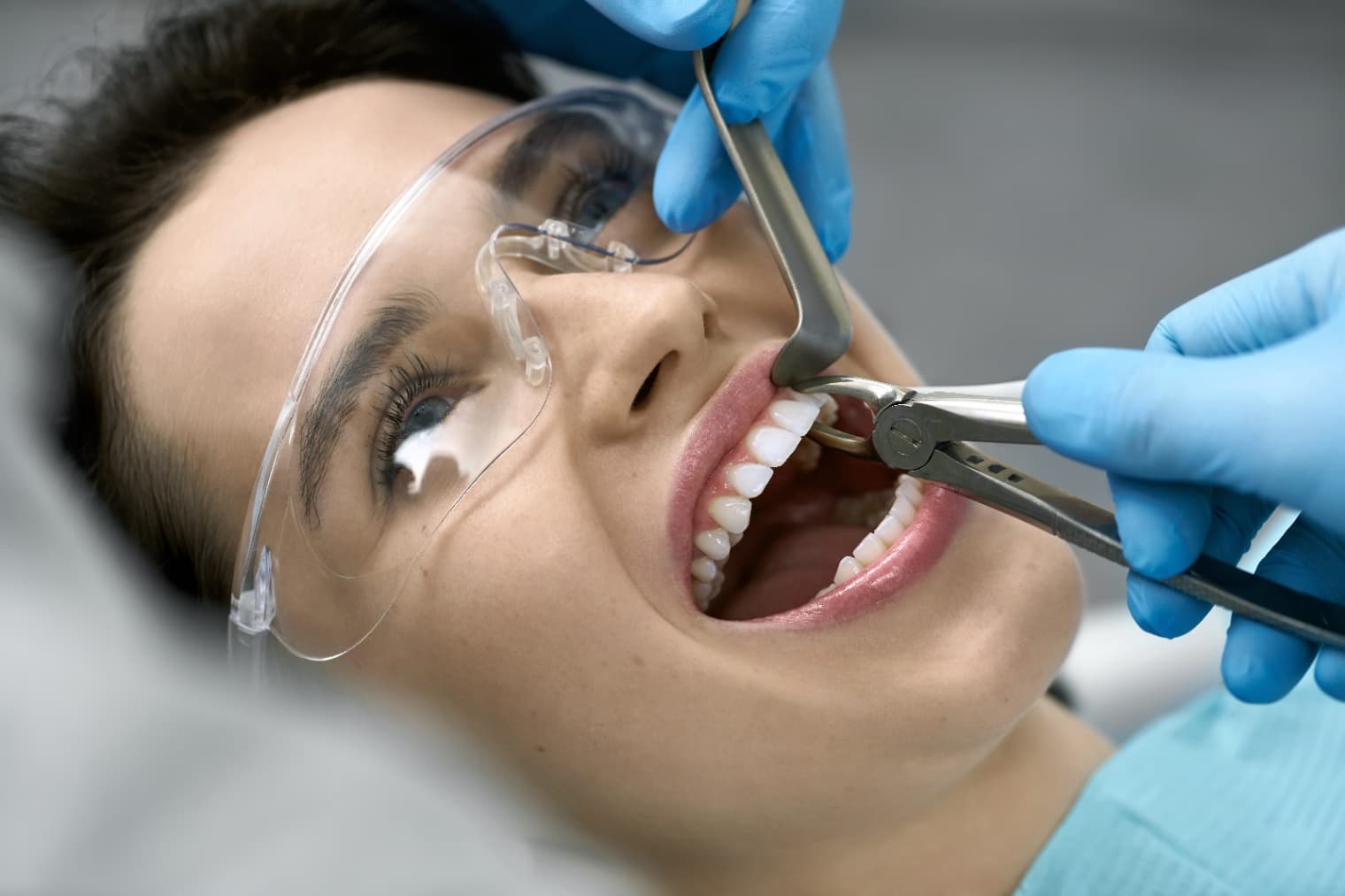
Tooth extraction is not just about “losing a tooth.” It’s about saving your health when a problem tooth poses more risks than benefits. With technology like digital X-rays, 3D imaging, and gentle techniques, extraction today feels closer to a relief procedure than a punishment.
According to safe tooth extraction guidance by Dr. Rujul G Parikh, deciding when to extract is never rushed - it’s measured against how much damage has occurred, whether a tooth can realistically be restored, and how keeping it might affect surrounding teeth and gums.
7 Signs You Shouldn’t Ignore
1. Unrelenting Tooth Pain
A toothache that throbs for days is not just a nuisance - it’s a warning. If pain lingers despite painkillers or routine dental care, chances are the nerve inside is badly infected.
Why it matters: Once infection reaches the pulp, the tooth’s structure weakens. Extraction prevents the bacteria from spreading deeper into your jawbone or bloodstream.
Insight: Dr. Rujul G Parikh on common tooth removal signs stresses that ongoing pain, especially at night or during chewing, is the body’s way of saying the tooth can no longer be saved.
2. Severe Decay Beyond Repair
Fillings, crowns, and root canals can rescue teeth, but sometimes decay is simply too extensive. When the damage reaches below the gum line, restoration may not be possible.
What happens if ignored: Decay spreads quickly, endangering neighboring teeth and making infection harder to control.
Creative note: Imagine keeping a rotten apple in a fruit basket - soon the whole bunch spoils. That’s what happens when a decayed tooth overstays its welcome.
3. Overcrowding That Blocks Alignment
In some cases, teeth are so tightly packed that straightening them with Invisalign or braces becomes impossible without removing one or more teeth.
Why extraction helps: Creating space allows teeth to shift naturally into alignment.
Tooth extraction advice from Dr. Rujul G Parikh: “We always prioritize saving teeth, but if overcrowding blocks the success of dental treatments, extraction becomes the foundation for a straighter, healthier smile.”
4. Gum Disease with Bone Loss
Advanced gum disease (periodontitis) doesn’t just attack gums - it destroys the bone that anchors teeth. When teeth loosen due to bone loss, keeping them may cause recurring infections.
The bigger picture: Removing a tooth in these cases isn’t giving up - it’s stopping the disease from spreading.
Dental care after extraction with Dr. Rujul G Parikh: Post-treatment steps focus on gum healing, bone preservation, and planning for replacement options like implants or bridges.
5. Cracked or Broken Teeth
Accidents happen - a fall, sports injury, or even biting into something hard can cause severe fractures. While many cracks can be repaired, vertical fractures that extend below the gum line often require extraction.
Why this matters: Broken teeth can cut the soft tissue inside your mouth and act as entry points for bacteria.
Safe tooth extraction guidance by Dr. Rujul G Parikh: “When a fracture threatens the integrity of the jawbone or causes repeated infection, removal is the safest course of action.”
6. Stubborn Wisdom Teeth
Wisdom teeth are notorious troublemakers. Some never erupt fully, some come in at odd angles, and others crowd existing teeth. Impacted wisdom teeth often trap bacteria, causing swelling, pain, and even cyst formation.
Creative view: Wisdom teeth are like uninvited houseguests - when they cause chaos, sometimes the only solution is asking them to leave.
Result of ignoring: Chronic gum irritation, repeated infections, and in rare cases, jawbone cysts.
7. Recurring Infections or Abscesses
If a tooth continues to abscess after treatment, extraction becomes the last safeguard against severe infection. Swelling, pus, and fever can all point toward an infection that needs urgent care.
Medical urgency: Left untreated, infections can spread to the neck or bloodstream, becoming life-threatening.
Dr. Rujul G Parikh on common tooth removal signs: “An abscess that refuses to heal is the body’s red flag. Extraction is not just about comfort - it’s about protecting overall health.”
Life After Extraction: Healing and Care
Having a tooth removed is only the first step in the journey toward recovery. The real healing begins afterward, and how you care for yourself in the days and weeks following extraction makes all the difference. Under the guidance of Dr. Rujul G Parikh at Spreckels Park Dental, patients receive clear, step-by-step instructions to promote comfort and proper healing.
During the first 24–48 hours, rest is essential. Gentle care allows the body to form a protective blood clot at the extraction site, which is the foundation for healing. Patients are advised to avoid smoking, using straws, or rinsing too vigorously, since these actions can disturb the clot and lead to complications such as dry socket.
Nutrition also plays a key role in recovery. Starting with soft foods like soups, yogurt, or mashed vegetables helps minimize strain on the area, while gradually reintroducing regular meals as comfort improves ensures a smooth transition back to normal eating habits.
Regular follow-up appointments allow Dr. Parikh to monitor the healing process closely. These visits ensure that both the gums and underlying bone are recovering as expected, giving patients peace of mind and helping prevent any long-term issues.
Most importantly, tooth removal does not mean living with a gap. Modern dentistry offers reliable replacement solutions - from dental implants that mimic natural teeth, to bridges that restore chewing strength, to dentures that bring back full smiles. With these options, patients regain not only function but also confidence in their appearance.
With attentive aftercare and advanced treatment planning, life after extraction can be comfortable, healthy, and just as fulfilling as before - often with the added benefit of a stronger, more functional smile.
Key Takeaways
Tooth extraction isn’t a last resort - sometimes it’s the only way to protect your health.
7 warning signs include: persistent pain, severe decay, overcrowding, gum disease, fractures, wisdom teeth issues, and recurring infections.
Following safe tooth extraction guidance by Dr. Rujul G Parikh ensures treatment is gentle, precise, and designed for long-term oral health.
Healing is supported with dental care after extraction with Dr. Rujul G Parikh, including aftercare, monitoring, and replacement planning.
FAQs
Q1: Does extraction always hurt?
No. With local anesthesia and modern techniques, most patients report only pressure, not pain. Discomfort afterward is managed with simple medications.
Q2: How long does healing take?
Most people recover in about 7–10 days for soft tissue healing, while complete bone healing may take a few months.
Q3: Can I replace my tooth immediately?
In many cases, an implant can be placed soon after extraction, but timing depends on bone health and infection levels.
Q4: Are wisdom teeth always removed?
Not always. If they erupt straight, don’t cause pain, and don’t crowd other teeth, they can stay. Problematic ones, however, are better removed early.
Q5: What if I ignore the signs and keep the tooth?
Delaying extraction risks spreading infection, damaging other teeth, and increasing pain. In some cases, ignoring it can create systemic health issues.
Conclusion
Your teeth are meant to last a lifetime, but sometimes, holding onto one can cost you more than letting it go. When pain lingers, decay worsens, or infection begins to spread, timely intervention becomes more than just a choice - it’s a necessity for protecting your overall health. Trusting your dentist’s guidance in such moments ensures that you are not only relieving discomfort but also preventing further complications that could affect surrounding teeth and gums.
At Spreckels Park Dental, Dr. Rujul G Parikh provides patients with clear, compassionate advice and safe treatment options. His approach to tooth extraction is centered on minimizing discomfort, promoting faster healing, and ensuring patients feel cared for every step of the way. From thorough diagnosis to gentle removal and post-procedure support, patients can be confident they are in capable hands. Choosing to follow professional guidance isn’t about losing a tooth - it’s about preserving long-term health, comfort, and peace of mind.
—--------------------------------------------------------------------------------
Remember: Paying attention to the early warning signs of dental trouble saves you from bigger health risks later. A quick check-up today may prevent a painful extraction tomorrow.
Disclaimer: This content is for educational purposes only. Always consult a licensed dentist like Dr. Rujul G Parikh for personalized treatment recommendations.